Access your Back Office at your fingertips.
Download the app now on Google Play Store.
Scan the QR code
You can also scan QR code with your phone to download the app.
How credit reporting works at Lendsqr
Overview
Credit bureau reporting is an important part of the lending lifecycle because it helps create a more reliable record of a borrower’s credit behaviour over time. When lenders report loan performance data consistently, credit bureaus are better able to maintain borrower credit histories that can support future lending decisions across the ecosystem.
At Lendsqr, credit bureau reporting allows lenders to submit relevant borrower and loan performance information to supported credit bureaus as part of their operational workflow. Depending on the lender’s configuration, this may include reporting key loan events and status changes such as disbursement, repayment performance, delinquency, default, and closure.
This article explains how credit bureau reporting works at Lendsqr, including how reporting is triggered, the data used for reporting, and how reporting continues across the lifecycle of a loan.
How credit bureau reporting works at Lendsqr
Credit bureau reporting at Lendsqr is driven by the lender’s bureau configuration and the repayment activity on a loan.
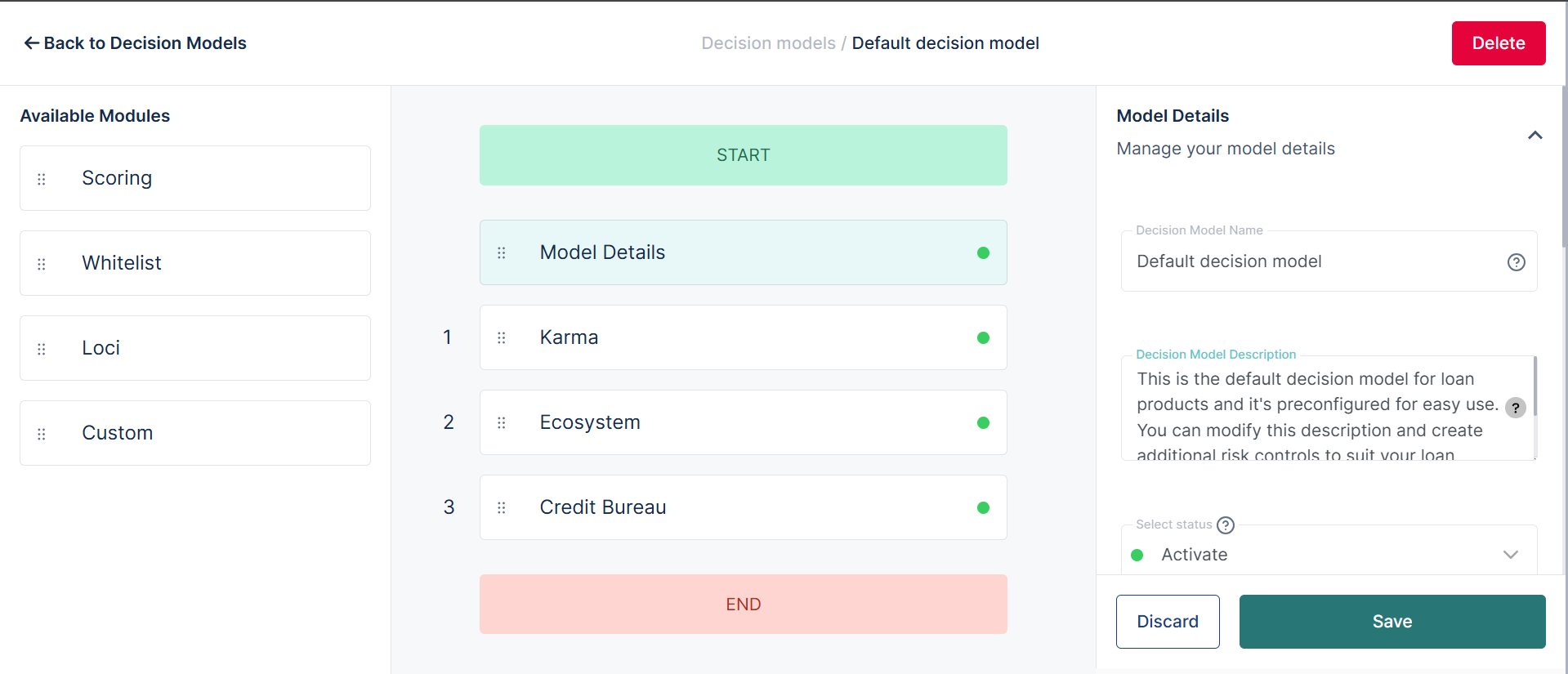
To get started, the lender configures the API credentials provided by their preferred credit bureau or bureaus in Lendsqr. Depending on their reporting requirements, the lender may connect to any one of the supported bureaus, including CRC, FirstCentral, and CreditRegistry, or configure all three at the same time.
Once this has been set up, Lendsqr automatically submits credit reporting records for eligible loans to the configured credit bureaus on a scheduled basis, twice daily. These submissions are not limited to a single repayment state. Loans are reported across different performance categories, including performing, delinquent, and non-performing loans, so that the borrower’s credit record continues to reflect the current status of the facility.
Reporting is also updated as repayment activity occurs. For loans on automated collections, any successful repayment received on the loan triggers an update to the borrower’s reported loan performance. Where repayments are recorded manually, the loan record is updated whenever a new repayment entry is posted to the system. This helps ensure that the repayment history being reported remains aligned with the current state of the loan in Lendsqr.
The reporting cycle continues throughout the life of the loan until the obligation has been fully repaid and the loan is closed successfully. For delinquent or defaulted loans, reporting does not stop simply because the loan has fallen behind. Instead, the most recently reported delinquency status remains in effect until a new repayment is made or the loan status changes, at which point Lendsqr submits an updated record reflecting the new position of the account.
Reporting life cycle
Credit bureau reporting is configured for the lender: The lender sets up one or more supported credit bureau integrations by providing the required API credentials.
Customer and loan records are created in Lendsqr: Borrower details, loan information, and repayment activity are stored in the system as part of the loan lifecycle. This automatically happens whenever a user creates an account or a loan is approved.
Required reporting fields are validated: Lendsqr validates the data required to generate a valid bureau report.
Bureau-specific report payload is generated: The system formats the borrower and loan data according to the specifications of the configured credit bureau.
The report is submitted to the bureau: Loan records are submitted to the configured bureau as part of the reporting cycle.
Repayment activity triggers report updates: Where repayments are received, whether through automated collections or manual repayment recording, Lendsqr updates the reported loan position to reflect the latest repayment activity.
The bureau response is received and logged: Submission responses are recorded by the system for tracking and continuity.
Failed submissions are automatically retried where applicable: If a report submission is not completed successfully, Lendsqr automatically retries the submission where applicable.
Reporting continues until the loan is fully repaid: Reporting remains active throughout the loan lifecycle until the loan has been successfully cleared. For delinquent loans, the reported status remains in place until a new repayment or status change occurs.
Data used for credit reporting
Lendsqr uses three main types of data for credit bureau reporting:
Borrower identity data
This is used to identify the borrower being reported and match the loan to the correct credit profile. It typically includes details such as the borrower’s name, date of birth, BVN/NIN (or both), phone number, email address, and address information.
Loan account data
This is used to identify the loan or credit facility being reported. It typically includes details such as the account number, loan amount, disbursement date, loan tenor, repayment frequency, maturity date, and currency.
Loan performance data
This is used to show the current status and repayment position of the loan. It typically includes details such as the outstanding balance, overdue amount, days in arrears, account status, loan classification, and last payment details where available.
For credit bureau reporting to work properly, lenders should ensure that borrower records are complete and accurate, particularly key identity and contact information. Much of the data used for reporting on the loan itself, including repayment activity, loan schedules, arrears position, and outstanding balances, is automatically generated or updated by Lendsqr as the loan progresses through its lifecycle.
Set up and monitor credit bureau reporting
To start reporting to a credit bureau from Lendsqr, the lender first needs to configure the API credentials issued by the bureau. Depending on the lender’s reporting requirements, this may involve connecting one bureau or multiple supported bureaus.
Once the credentials have been added, Lendsqr can begin submitting credit bureau reports based on the lender’s reporting setup and the repayment activity on eligible loans.
Lenders can also monitor reporting activity directly from the admin console using the available credit reporting report, where submitted reports and their statuses can be tracked over time. This makes it easier to confirm that reports are being submitted successfully and to follow the reporting history of loans across the credit bureau reporting cycle.
By combining borrower identity data, loan account data, and ongoing repayment performance, Lendsqr helps lenders maintain credit bureau reporting throughout the full lifecycle of a loan. Once the appropriate bureau configuration is in place, reporting becomes part of the lender’s normal loan operations, with updates continuing as loan performance changes over time.